Another name for this procedure is guided bone regeneration.
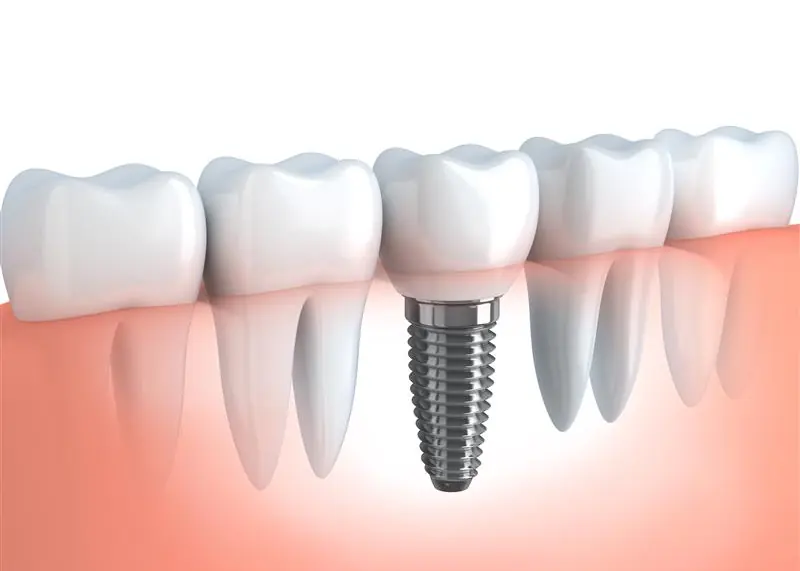
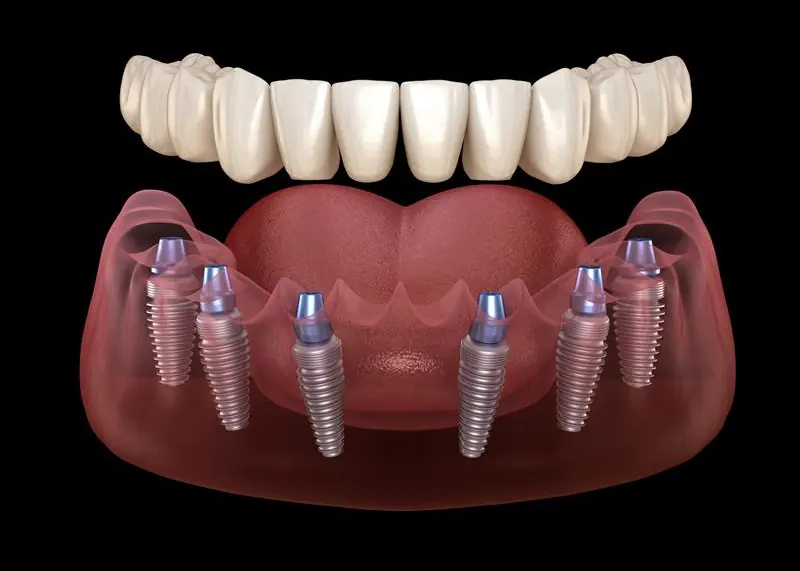
When teeth are missing, dental implants are strongly preferred over bridges or dentures, which place unnecessary and harmful load on the supporting teeth and on the gums.
Significant bone loss occurs especially after traumatic tooth extractions, or after a long time without teeth or with dentures.
To make it possible to place dental implants in different cases of bone loss, dentistry uses a treatment called bone grafting.
In this treatment the dentist uses various materials that allow and encourage new bone to grow where bone is missing.
There are different types of these materials: synthetic, of human origin or of animal origin.
Each case needs its own consideration — which material is preferable in a specific case to achieve a result that allows dental implants to be placed.
Socket preservation
A necessary treatment after tooth extraction to allow maximum bone healing.
In most cases teeth are extracted because of chronic inflammation accompanied by loss of bone around the tooth. After extracting a tooth and carefully cleaning out the inflamed tissue, it is very important to fill the resulting defect with bone substitute materials, which encourage and support complete growth of new bone — this is very important for placing an implant in the right position and for correct future restoration.
Ridge augmentation
As the name suggests, this is intended to widen narrow jaw ridges so that dental implants can be placed. There are several methods for different cases.
Sinus floor lift (the cavities on both sides of the nasal cavity)
A very common treatment when there is not enough bone height in the area of the molars. A very safe treatment that has been in use for many years.
Nasal floor lift
A treatment quite similar to the sinus floor lift.